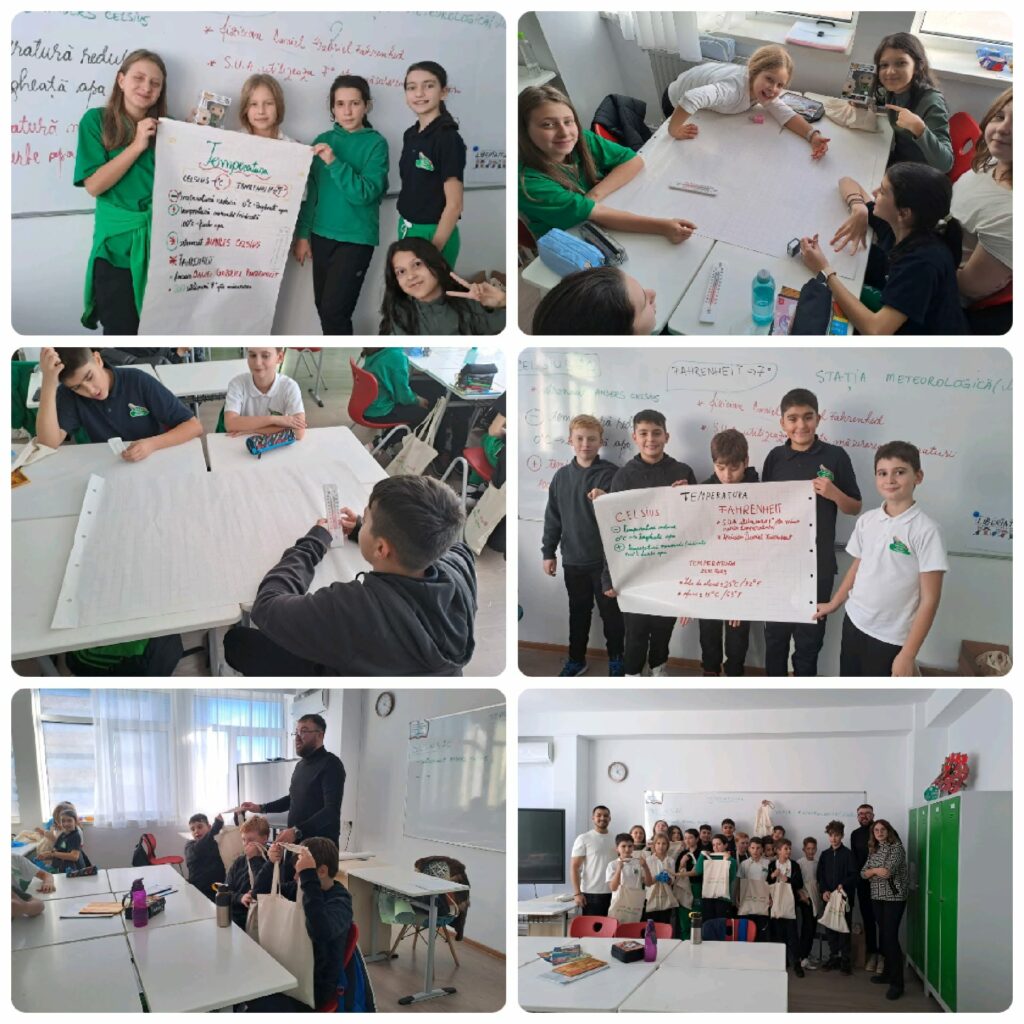
1. District Grant 2022-2023: Climate educational package for schools 8-9 year olds – Romania en South Africa
The most effective approach to address climate change is through education, recognizing the pivotal role it plays in fostering awareness and inspiring positive action. In our initiative, we aim to target young children aged 8-10 by providing them with a comprehensive, free educational package. This package has been meticulously crafted right here in The Hague, under the supervision of a diverse group of educators and thoroughly vetted by experts.
Our strategy involves implementing this educational project in schools located in both Romania and South Africa. By collaborating closely with local Rotaract clubs, we seek to enhance and tailor the educational package to suit the specific needs and cultural contexts of each region. This collaborative effort ensures that the educational content is not only accurate and informative but also culturally sensitive and relevant.
Through this initiative, our goal is to empower young minds with the knowledge and understanding of climate change, fostering a sense of responsibility and inspiring them to actively contribute to positive changes in the climate. By laying the foundation for environmental awareness at a young age, we believe we can instill a lifelong commitment to sustainable practices and create a generation of informed individuals ready to tackle the challenges of climate change.
Result:
Full year education in a school in Constanta – Romania and in Durban – South Africa.
Program is in use in Romania for 2nd year.
2. District Grant 2023-2024: Pre-school program with DARA in Cambodia
Initiating a comprehensive preschool education package for 4-5 year olds in Cambodia has proven to be both fascinating and imperative. Recognizing the crucial need for early childhood education, especially in regions with limited access, we are committed to bridging this educational gap. By introducing a tailored program for preschool kids in Cambodia, we aim to create not just a curriculum but also opportunities for these young learners. Improved access to education serves as a catalyst for enhancing the prospects and future possibilities for these children.
In this endeavor, we are fortunate to have a fantastic partner, namely DARA – Europa. This organization boasts a commendable track record of over 10 years, successfully implementing numerous projects in Cambodia. Their extensive experience and expertise make them a valuable collaborator in our mission to provide quality preschool education in the region. Through this partnership, we are confident in the positive impact our program will have on the educational landscape for young children in Cambodia.
Funds raised, the construction of program is underway, to be updated in mid 2026.
3. Global Grant – GG2459654 – Kumasi – Ghana
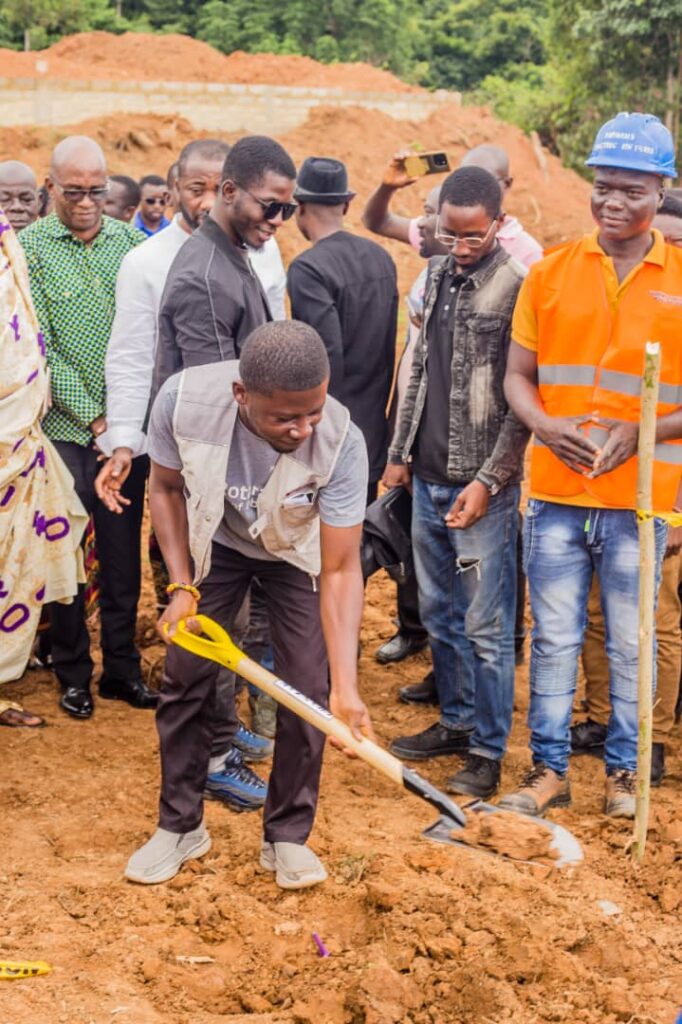
Global Grant GG2459654 is a Rotaract-led international project delivering clean water and sanitation infrastructure to schools and communities in the Ashanti Region of Ghana, near Kumasi. The initiative is led by the Rotaract Club of Kumasi in collaboration with international partners including the eClub of District 7040-Premier, Rotary and Rotaract clubs across 5 countries, and supported by Rotary mentors and districts worldwide.
With active contribution from Rotaract Club Scheveningen, this project represents one of the first large-scale Rotaract-led Global Grants, demonstrating a shift toward youth-led international development within Rotary. The project addresses a fundamental issue: lack of access to safe water and adequate sanitation in schools, which directly impacts health, school attendance, and dignity—especially for young girls.
The intervention includes drilling two new boreholes and constructing 80 microflush toilet units across eight schools, significantly improving hygiene conditions and access to clean water. The schools will also share water with surrounding communities, extending the impact beyond education into broader public health. In total, the project will benefit approximately 4,830 students and community members, while also training local water and sanitation committees to ensure long-term sustainability and ownership.
This is a truly global collaboration, involving Rotarians and Rotaractors from multiple countries, districts, and more than 20 clubs, combining grassroots leadership in Ghana with international funding and expertise. The involvement of Rotaract Scheveningen contributes to this global effort through financial support, visibility, and international coordination, reinforcing the role of Rotaract in delivering high-impact, scalable projects.
The total project budget is approximately $57,000 (± €52,000), funding both infrastructure and training to ensure sustainable, community-driven outcomes.
As on 03.2026 project is near completed, by the end of 2026.
4. Global Grant – GG2688239 – Kisumu – Kenya
Global Grant GG2688239 is an international Rotary and Rotaract partnership delivering an integrated solar energy, water, and sanitation solution to the Kasule Community Health Facility in Kisumu, Kenya. The project is led by the Rotary Club of Kisumu (District 9212) as host partner and the Rotary Club of Madison (District 6250) as international partner, with additional contributions from the Rotary Club of Eau Claire, District 6110, and support from the WASH Foundation.
In collaboration with Rotaract Club Scheveningen, this project brings together local implementation capacity and international expertise to address a critical infrastructure gap. Today, the clinic and surrounding community face unreliable water access and frequent power shortages, directly limiting healthcare delivery. This affects over 1,500 patients per month, including mothers, children, and vulnerable groups requiring continuous treatment and safe medical conditions.
The project delivers a solar-powered borehole, stable electricity for medical equipment and vaccine storage, improved sanitation facilities, and community water access points. Beyond infrastructure, it includes training of local technicians and community governance systems to ensure long-term sustainability and full local ownership.
This collaboration demonstrates how Rotary and Rotaract clubs across continents can jointly deliver scalable, community-driven solutions. By combining the leadership of Kisumu, the technical and financial support of Madison and partner clubs, and the engagement of Rotaract Scheveningen, the project creates lasting impact in healthcare access, public health, and community resilience.
The total project budget is approximately $77,500 (± €72,000), combining Rotary funding, district contributions, and international partner support to ensure both implementation and long-term sustainability.
Status: Global Grant is in approval process.
5. District Grant – 2025-2026 – Tamale – Ghana
The Seed of Hope Project is built on a simple but transformative idea: move beyond short-term donations and create a sustainable, long-term future for orphaned children. Instead of relying solely on external support, the project empowers children and orphanages to become more self-reliant, skilled, and confident in shaping their own lives.
The project is implemented in Tamale, in the Northern Region of Ghana, with the first phase taking place at the Tamale Children’s Home, which supports around 45 children, including vulnerable children with diverse needs.
It is developed in close partnership with the Ummy Relief Foundation, Rotaract Club of Tamale, and Ummy Farms, combining local knowledge with practical agricultural and educational expertise. Rotaract Club Scheveningen acts as a co-lead partner, supporting the project through international coordination, fundraising, and strategic development. The initiative has been shaped together with local practitioners and experts in regenerative agriculture, vocational training, and community development to ensure long-term sustainability.
At its core, the project integrates food security, education, and entrepreneurship. Regenerative gardens are established within orphanages, allowing children to grow their own vegetables and fruits while improving nutrition and learning environmental stewardship. At the same time, children aged 8 and above receive hands-on training in practical skills such as soap making, sandal production, tailoring, and basic ICT, equipping them with tools for future independence and income generation.
The idea is not just to support children today, but to build systems that continue to create value over time. By combining infrastructure, skills training, and local ownership, the project reduces dependency on one-time donations and introduces a model that can sustain itself and be replicated in other orphanages.
Ultimately, Seed of Hope represents a shift from charity to empowerment—creating an environment where children can develop confidence, dignity, and real opportunities for the future, while growing up in a system that supports them long after the project itself is completed.
Status – To be completed April 2026 first stage.